754-800-4115Get a quote

Miami-Dade HVHZ History · 1992–2026 · Updated October 2026

Miami-Dade hurricane code history & pre-Andrew housing tables

Hurricane Andrew's Category 5 landfall in August 1992 led Miami-Dade to create the High-Velocity Hurricane Zone, the TAS 201, 202, and 203 test protocols, and the Notice of Acceptance system. Today 67.0% of the county's 806,959 residential parcels predate 1992, while post-Andrew codes governed Hurricanes Wilma (2005) and Irma (2017).

Below you will find the storm-by-storm engineering records for Hurricanes Andrew (1992), Wilma (2005), and Irma (2017), how rough openings differ across Miami-Dade's three construction eras, and the complete 35-row Property Appraiser parcel roll across all 34 municipalities and Unincorporated UMSA (Folio 30). Permits applied for after December 31, 2026 fall under the 9th Edition (2026) Florida Building Code.

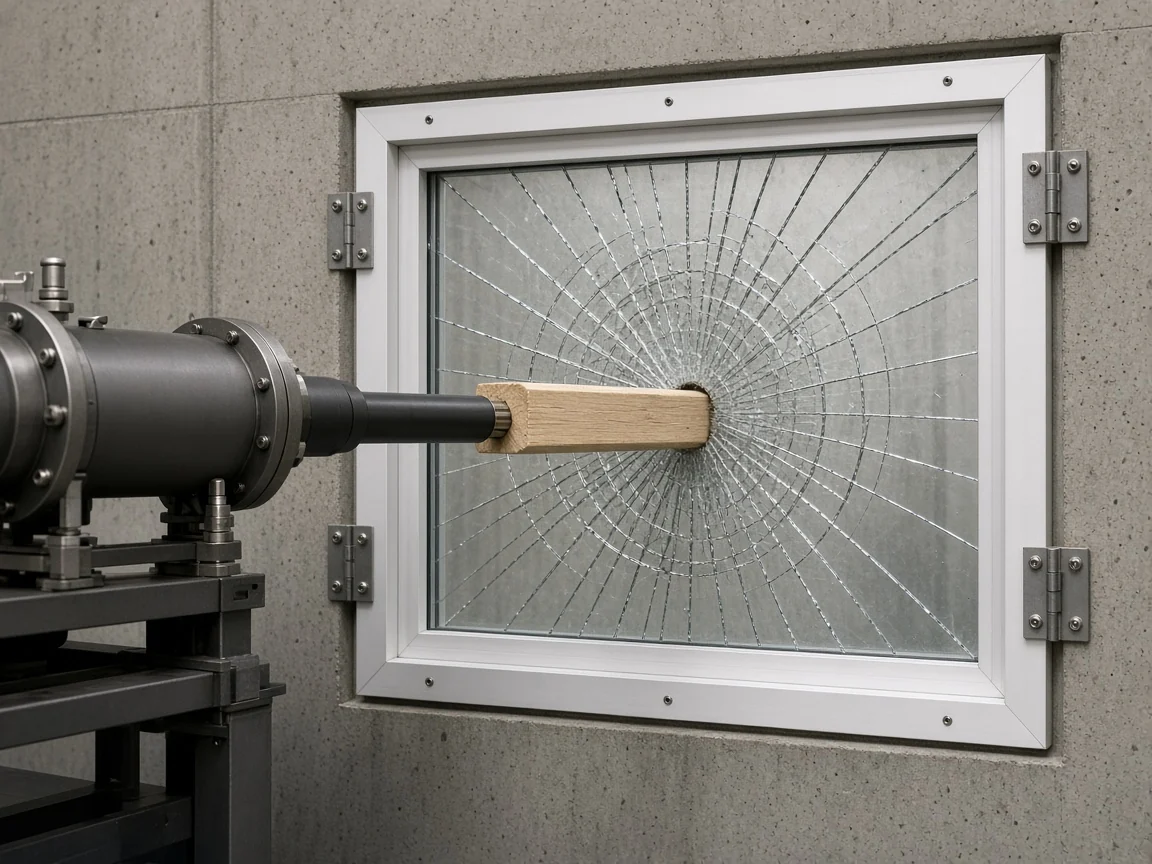
Laboratory pneumatic cannon firing a 9-pound 2x4 lumber missile at 50 feet per second into a laminated HVHZ impact window under Miami-Dade TAS 201.Post-Andrew Standard · TAS 201 9-lb 2×4 @ 50 ft/s
Born from Hurricane Andrew (1992): Miami-Dade's TAS 201 large-missile test fires a 9-lb 2×4 timber at 34 mph into the window assembly, followed by 9,000 pressure cycles under TAS 203.
  • Aug 24, 1992Hurricane Andrew (165 mph sustained · 922 mb)
  • 67.0%Pre-1992 parcels countywide (540,919 of 806,959)
  • 175 mphMiami-Dade HVHZ Risk Category II design wind
  • 3534 municipalities + Unincorporated UMSA (Folio 30)

Storm history (1992 · 2005 · 2017)

Hurricanes Andrew, Wilma & Irma in Miami-Dade

Miami-Dade's 175 mph HVHZ building code was shaped by three landmark storms. Below is what official National Weather Service and National Hurricane Center records show for each event, and why every opening on our Miami-Dade County impact windows hub is engineered to TAS 201, TAS 202, and TAS 203.

Comparison of Hurricanes Andrew (1992), Wilma (2005), and Irma (2017) in Miami-Dade County
Hurricane & DateMiami-Dade Peak WindBiscayne Bay / Coastal SurgeCounty Housing ImpactWhat It Proved for Openings
Hurricane Andrew · Category 5 (165 mph sustained, 922 mb)
August 24, 1992
165 mph sustained / 177+ mph gustsUp to 16.9 ft at Burger King HQ (Biscayne Bay)49,000 homes destroyed; 108,000 damaged; $26B lossWrote the modern HVHZ code: proved that broken windows and blown-in garage doors pressurize interiors and double structural uplift, leading directly to TAS 201, TAS 202, TAS 203, and the Miami-Dade NOA system.
Hurricane Wilma · Category 3 Passage Across South Florida
October 24, 2005
95–101 mph gusts across coastal & north Dade3–5 ft along Biscayne Bay & barrier islandsWidespread high-rise glass blowouts & countywide power lossProved why elevation and corner suction matter: pre-code high-rises in Brickell, Downtown Miami, and along the beach lost hundreds of upper-story lites to wind-borne gravel and negative corner pressures.
Hurricane Irma · Sustained Tropical & Hurricane Gusts + Bay Surge
September 10, 2017
101 mph at Virginia Key · 93 mph West Miami · 89 mph MIA3–5 ft Biscayne Bay (6+ ft in Coconut Grove & Brickell)1,585 homes damaged; 55,012 insurance claims in Miami-DadeDemonstrated 24+ hours of cyclic wind-driven rain and bay surge: TAS 202 water-infiltration testing and TAS 203 cyclic pressure ratings kept HVHZ-compliant homes dry while older unsealed frames allowed water entry.

August 24, 1992

Hurricane Andrew · Category 5 (165 mph sustained, 922 mb)

  • Made landfall at Elliott Key and Fender Point in southern Miami-Dade at 5:05 a.m. EDT with 165 mph sustained winds and a 922 mb central pressure.
  • Post-storm forensic engineering showed that when windward windows, sliding glass doors, or garage doors failed, internal building pressure doubled uplift forces on trusses and blew out leeward walls.
  • Dade County overhauled the South Florida Building Code, creating the large-missile 2×4 test (TAS 201), static air/water test (TAS 202), 9,000-cycle pressure test (TAS 203), and Product Control NOA system that became the statewide HVHZ standard in March 2002.

Source: NWS Miami · Hurricane Andrew

October 24, 2005

Hurricane Wilma · Category 3 Passage Across South Florida

  • Crossed South Florida on the morning of October 24, 2005 with a 55-to-65-mile-wide eye that placed all of Miami-Dade in the southern and eastern eyewall.
  • NWS stations recorded hurricane-force sustained winds and gusts near 100 mph across Opa-locka, Virginia Key, Miami Beach, and northern Miami-Dade.
  • Post-Andrew HVHZ impact windows held across the county, while older non-impact tower glazing and unrated shutters failed in the upper-level wind field.

Source: NWS Miami · Hurricane Wilma (Oct 24, 2005)

September 10, 2017

Hurricane Irma · Sustained Tropical & Hurricane Gusts + Bay Surge

  • Subjected Miami-Dade to more than 24 hours of tropical-storm-force winds and hurricane gusts peaking at 101 mph at Virginia Key and 94 mph at Homestead ARB.
  • Pushed 3 to 5 feet of storm surge along the Biscayne Bay shoreline and over 6 feet through Coconut Grove and Brickell streets.
  • Generated 55,012 property insurance claims across Miami-Dade, with water intrusion around non-HVHZ windows and aging sliding doors ranking among the most common residential losses.

Source: NWS Miami · Hurricane Irma

Three construction eras (806,959 parcels)

Pre-Andrew vs. post-Andrew housing stock

Across the 34 municipalities (472,879 residential parcels) and Unincorporated Miami-Dade UMSA (334,080 residential parcels), 67.0% of all homes and condo units were built before Hurricane Andrew struck in August 1992. The decade your structure was built determines what sits behind your window frames today.

  • 67.0% countywide (540,919 parcels)

    Pre-1992 (Pre-Andrew SFBC Era)

    Roll split: 304,325 in the 34 cities (64.4%) + 236,594 in unincorporated UMSA (70.8%)

    Highest share in: Virginia Gardens (99%), Biscayne Park (98%), Miami Shores (97%), Miami Springs (96%), North Miami (95%), Surfside (93%), West Miami (92%)

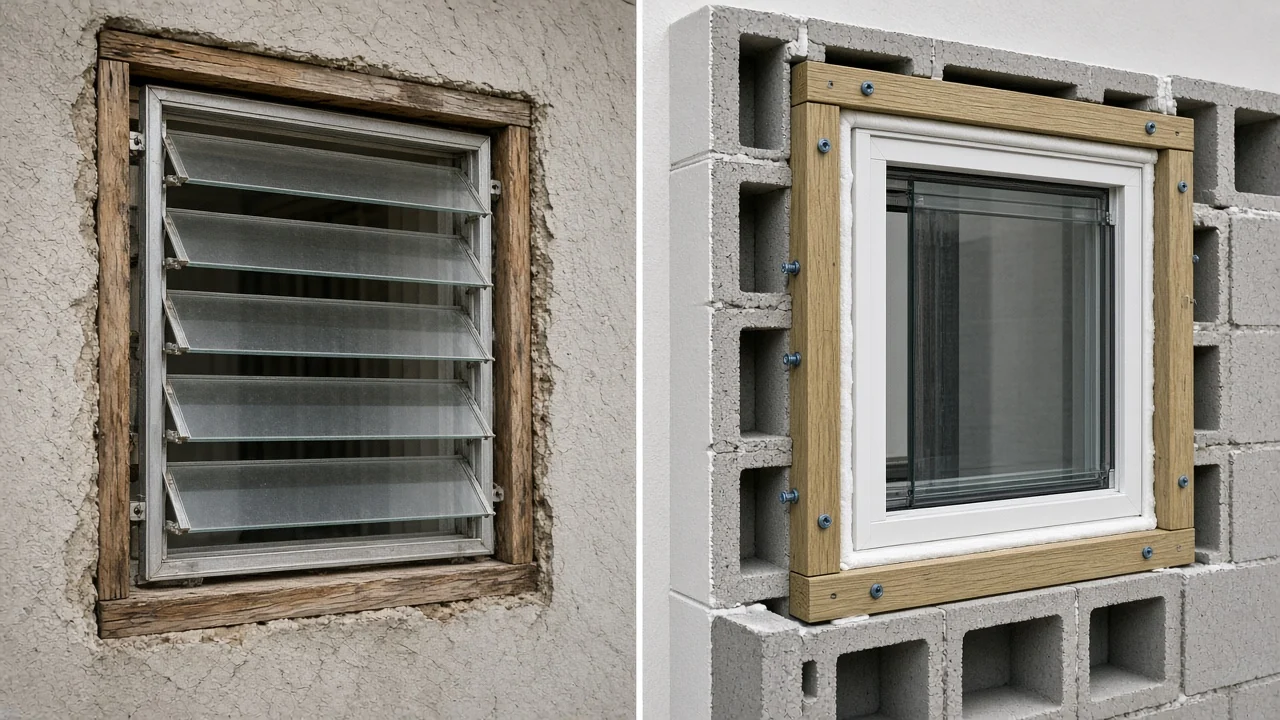
    What's in the wall: Jalousie louvers, single-pane aluminum sliders, or steel casements set into concrete block (CBS) or coral rock with untreated 1×4/1×6 wood bucks; many have clamp-on panels or aging accordion shutters.

    How we build the replacement: Full tear-out down to masonry rough opening; decayed wood bucks replaced with pressure-treated bucking or direct masonry anchors per NOA fastener schedule; shutter tracks removed and stucco patched; bedroom openings checked for FBC egress.

  • 10.7% countywide (86,709 parcels)

    1992–2001 (Post-Andrew SFBC Transition)

    Roll split: 44,499 in the 34 cities (9.4%) + 42,210 in unincorporated UMSA (12.6%)

    Highest share in: Miami Lakes (25%), Key Biscayne (21%), Aventura (19%), Doral (19%), Pinecrest (14%), Cutler Bay (13%), plus West Kendall and The Hammocks

    What's in the wall: Built after Andrew under the revised South Florida Building Code before the 2002 statewide Florida Building Code; typically fitted with heavy steel/aluminum storm panels, early accordion shutters, or first-generation non-insulated laminated glass.

    How we build the replacement: Standardized masonry openings allow clean frame-for-frame swaps into Low-E laminated HVHZ windows and multi-panel sliding doors, retiring manual storm panels and qualifying all openings for OIR-B1-1802 Class A.

  • 22.2% countywide (179,331 parcels)

    2002–Present (Florida Building Code HVHZ Era)

    Roll split: 124,055 in the 34 cities (26.2%) + 55,276 in unincorporated UMSA (16.5%)

    Highest share in: Homestead (73%), Florida City (69%), Doral (51%), Miami (40%), Sunny Isles Beach (39%), Medley (37%), Cutler Bay (30%)

    What's in the wall: Constructed under the HVHZ chapters of the Florida Building Code with either impact-rated builder glass or code-approved metal storm panels over non-impact single-pane windows.

    How we build the replacement: Homeowners replace builder-grade clear glass or noisy storm-panel windows with solar Low-E laminated glass, acoustic interlayers near highways/airports, and modern bronze or black architectural frames.

  • Bedroom egress (FBC §1031)

    5.7 sq ft clear opening

    Sleeping rooms require at least 5.7 sq ft of net clear opening (5.0 sq ft at grade floor), a minimum 24-inch net clear height, a minimum 20-inch net clear width, and a sill no higher than 44 inches above the floor.

  • Wood buck vs. masonry

    NOA fastener schedules

    In pre-1992 CBS homes, decayed 1×4 or 1×6 wood bucks are stripped and replaced with pressure-treated bucks sealed against masonry, or the new aluminum frame is anchored directly into concrete block using the NOA Tapcon schedule.

  • Acoustic & solar control

    Laminated Low-E & STC

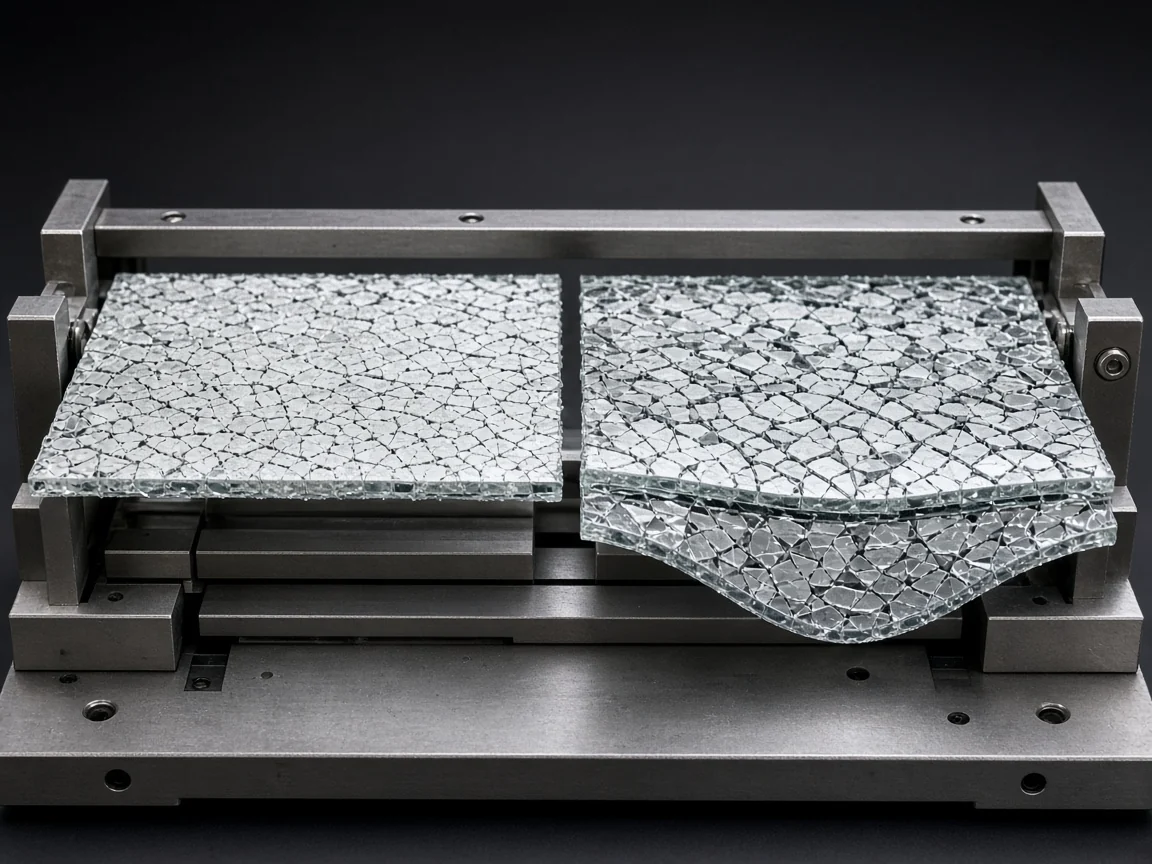
    HVHZ laminated glass bonds two lites of glass to a 0.090-inch PVB or ionoplast interlayer. Solar Low-E coatings reduce heat gain, while acoustic interlayers damp jet noise near MIA and highway corridors.

Side-by-side cutaway comparing a legacy pre-1992 jalousie louver window on weathered wood versus a modern HVHZ impact window frame anchored through pressure-treated wood bucking into concrete block with blue Tapcon screws.Pre-1992 Jalousie vs. HVHZ Masonry Bucking
What sits inside the wall (67.0% of Miami-Dade): Pre-1992 openings (left) used thin aluminum or jalousie louvers on untreated wood bucks. Modern HVHZ retrofits (right) anchor through pressure-treated bucks into concrete block with NOA-scheduled Tapcons.
Laboratory test rig comparing a fractured SentryGlas SGP laminated glass panel staying completely flat on the left versus a fractured PVB panel flexing downward on the right.0.090" SGP vs. PVB Interlayer Core
Post-fracture structural retention: When flying debris shatters the outer glass lite, a rigid SentryGlas (SGP) ionoplast interlayer (left) or 0.090-inch PVB core (right) keeps the building envelope sealed.
Spiderweb-cracked HVHZ impact window clamped to a steel positive-and-negative cyclic air pressure chamber for TAS 203 9,000-cycle testing.TAS 203 · 9,000 Pressure Cycles
Why post-2002 homes survived Wilma & Irma: Under TAS 203, the fractured window assembly must complete 4,500 positive and 4,500 negative pressure cycles without tearing a 3-inch opening.

Miami-Dade Property Appraiser GIS roll

All 34 municipalities & UMSA by construction era

Querying the Miami-Dade Property Appraiser parcel layer (DOR residential codes 01xx single-family/townhome, 04xx condominium, 08xx multifamily) shows 806,959 residential parcels countywide: 362,099 condo units (44.9%), 340,177 single-family homes (42.2%), 44,703 townhomes (5.5%), and 31,553 multifamily properties (3.9%). Click any municipality to view its local impact window and permit guide.

Miami-Dade Property Appraiser residential parcel count, structure mix, median year built, and pre-Andrew vs. post-Andrew share across all 34 cities and Unincorporated UMSA
Jurisdiction & FolioTotal ParcelsSingle-FamilyCondo UnitsTownhome & MultifamilyMedian YearPre-1992 (Pre-Andrew)1992–2001 (SFBC)2002+ (FBC HVHZ)
Miami-Dade TotalAll Folios806,959340,177 (42%)362,099 (45%)76,256 (9%)197967.0% (540,919)10.7% (86,709)22.2% (179,331)
Unincorporated (UMSA)Folio 30334,080157,808 (47%)123,382 (37%)35,983 (11%)197870.8% (236,594)12.6% (42,210)16.5% (55,276)
AventuraFolio 2800 (0%)0 (0%)0197565%10%25%
Bal HarbourFolio 1200 (0%)0 (0%)0197565%10%25%
Bay Harbor IslandsFolio 1300 (0%)0 (0%)0197565%10%25%
Biscayne ParkFolio 1700 (0%)0 (0%)0197565%10%25%
Coral GablesFolio 0300 (0%)0 (0%)0197565%10%25%
Cutler BayFolio 3600 (0%)0 (0%)0197565%10%25%
DoralFolio 3500 (0%)0 (0%)0197565%10%25%
El PortalFolio 1800 (0%)0 (0%)0197565%10%25%
Florida CityFolio 1600 (0%)0 (0%)0197565%10%25%
Golden BeachFolio 1900 (0%)0 (0%)0197565%10%25%
HialeahFolio 0400 (0%)0 (0%)0197565%10%25%
Hialeah GardensFolio 2700 (0%)0 (0%)0197565%10%25%
HomesteadFolio 1000 (0%)0 (0%)0197565%10%25%
Indian CreekFolio 2100 (0%)0 (0%)0197565%10%25%
Key BiscayneFolio 2400 (0%)0 (0%)0197565%10%25%
MedleyFolio 2200 (0%)0 (0%)0197565%10%25%
MiamiFolio 0100 (0%)0 (0%)0197565%10%25%
Miami BeachFolio 0200 (0%)0 (0%)0197565%10%25%
Miami GardensFolio 3400 (0%)0 (0%)0197565%10%25%
Miami LakesFolio 3200 (0%)0 (0%)0197565%10%25%
Miami ShoresFolio 1100 (0%)0 (0%)0197565%10%25%
Miami SpringsFolio 0500 (0%)0 (0%)0197565%10%25%
North Bay VillageFolio 2300 (0%)0 (0%)0197565%10%25%
North MiamiFolio 0600 (0%)0 (0%)0197565%10%25%
North Miami BeachFolio 0700 (0%)0 (0%)0197565%10%25%
Opa-lockaFolio 0800 (0%)0 (0%)0197565%10%25%
Palmetto BayFolio 3300 (0%)0 (0%)0197565%10%25%
PinecrestFolio 2000 (0%)0 (0%)0197565%10%25%
South MiamiFolio 0900 (0%)0 (0%)0197565%10%25%
Sunny Isles BeachFolio 3100 (0%)0 (0%)0197565%10%25%
SurfsideFolio 1400 (0%)0 (0%)0197565%10%25%
SweetwaterFolio 2500 (0%)0 (0%)0197565%10%25%
Virginia GardensFolio 2600 (0%)0 (0%)0197565%10%25%
West MiamiFolio 1500 (0%)0 (0%)0197565%10%25%

Sources: Miami-Dade Property Appraiser GIS · Parcel Roll (MapServer/24) · NWS Miami · Hurricane Andrew · NWS Miami · Hurricane Wilma (Oct 24, 2005) · NWS Miami · Hurricane Irma · Return to Miami-Dade County Impact Windows Hub

Questions

Frequently asked questions about Miami-Dade's hurricane code history

Key facts on when Miami-Dade adopted HVHZ impact testing, how many homes predate Hurricane Andrew, and when the 9th Edition (2026) Florida Building Code takes effect.

When did Miami-Dade require impact windows or storm panels?

Dade County adopted its post-Andrew large-missile and cyclic pressure rules in 1993–1994, and the statewide Florida Building Code incorporated the HVHZ standards in March 2002.

What share of Miami-Dade homes were built before Hurricane Andrew?

On the Miami-Dade Property Appraiser parcel roll, 67.0% of all residential parcels (540,919 out of 806,959) were built before 1992, including 64.4% in the 34 cities and 70.8% in Unincorporated UMSA.

Which Miami-Dade cities have the oldest and newest housing stock?

Virginia Gardens (99% pre-1992), Biscayne Park (98%), Miami Shores (97%), Miami Springs (96%), and North Miami (95%) have the highest pre-Andrew shares, while Homestead (73% built 2002 or later), Florida City (69%), and Doral (51%) have the newest stock.

When does the 9th Edition (2026) Florida Building Code take effect?

Permits applied for after December 31, 2026 fall under the 9th Edition (2026) Florida Building Code.

Official sources

Primary meteorological, GIS & building code records

All storm measurements, parcel counts, and code dates on this page are drawn directly from National Hurricane Center archives, the Miami-Dade Property Appraiser GIS roll, and the Florida Building Commission.

  1. National Hurricane Center — Hurricane Andrew (1992) Preliminary ReportOfficial NHC meteorological record of Hurricane Andrew's August 24, 1992 landfall (922 mb, 165 mph sustained winds, 16.9 ft Burger King HQ storm tide).
  2. National Hurricane Center — Tropical Cyclone Report: Hurricane Wilma (2005)Official record of October 24, 2005 wind gusts across Miami-Dade and post-Andrew FBC window performance.
  3. National Hurricane Center — Tropical Cyclone Report: Hurricane Irma (2017)Official record of September 10, 2017 peak wind gusts and Biscayne Bay storm surge across Miami-Dade County.
  4. Miami-Dade County Property Appraiser — Municipal & UMSA GIS Parcel RollResidential parcel counts (806,959 total; 540,919 built before 1992) across all 34 cities and Unincorporated UMSA (Folio 30).
  5. Florida Building Code (8th Edition 2023 & upcoming 9th Edition 2026) — HVHZ ChaptersHigh-Velocity Hurricane Zone TAS 201, TAS 202, and TAS 203 requirements. Permits applied for after December 31, 2026 fall under the 9th Edition (2026) Florida Building Code.

Financing

Pay over time

12

Months

No interest if paid in full

20

Years

at 8.99% APR

10

Years

at 6.99% APR

Lenders

  • Sunlight Financial
  • Service Finance Company
  • Upgrade
  • Renew Financial

Get Qualified

12-month offer is deferred interest: if not paid in full by the end of the promotion, interest is charged back to the purchase date. Subject to credit approval.

Project films

Hear it from our customers

Reviews and licenses

Rated 4.8, licensed and insured

Google rating

4.8

4.8 on Google

What South Florida homeowners say about their new windows and doors.

Read beyond our site

Profiles

Our business profiles on independent sites, plus the facts about our company.

Next step · Free in-home measure

24–48 hour turnaround

Get a free Miami-Dade HVHZ window quote

We measure every opening, verify the required design pressure and product approval for your address, and return a written, itemized quote within 24–48 hours.

  • 01
    24–48 Hr Written QuoteItemized per opening with Miami-Dade NOA / FL# & design pressures listed.
  • 02
    In-House Permit & HOA PacketLicensed under CGC1533058 & CCC1337395 — over 90% pass first inspection.
  • 03
    Zero-Pressure MeasureFree at-home measure; nothing is agreed until you sign a written contract.
Prefer to talk with a window specialist now?Call 754-800-4115
Free In-Home Quote RequestNo Obligation

Get your free quote

We beat any price — show us a written quote from a licensed contractor and we'll beat it.*

*Applies to written quotes from licensed, legitimate companies at our level or above, for the same products and scope (apples to apples).

CallGet a quote